

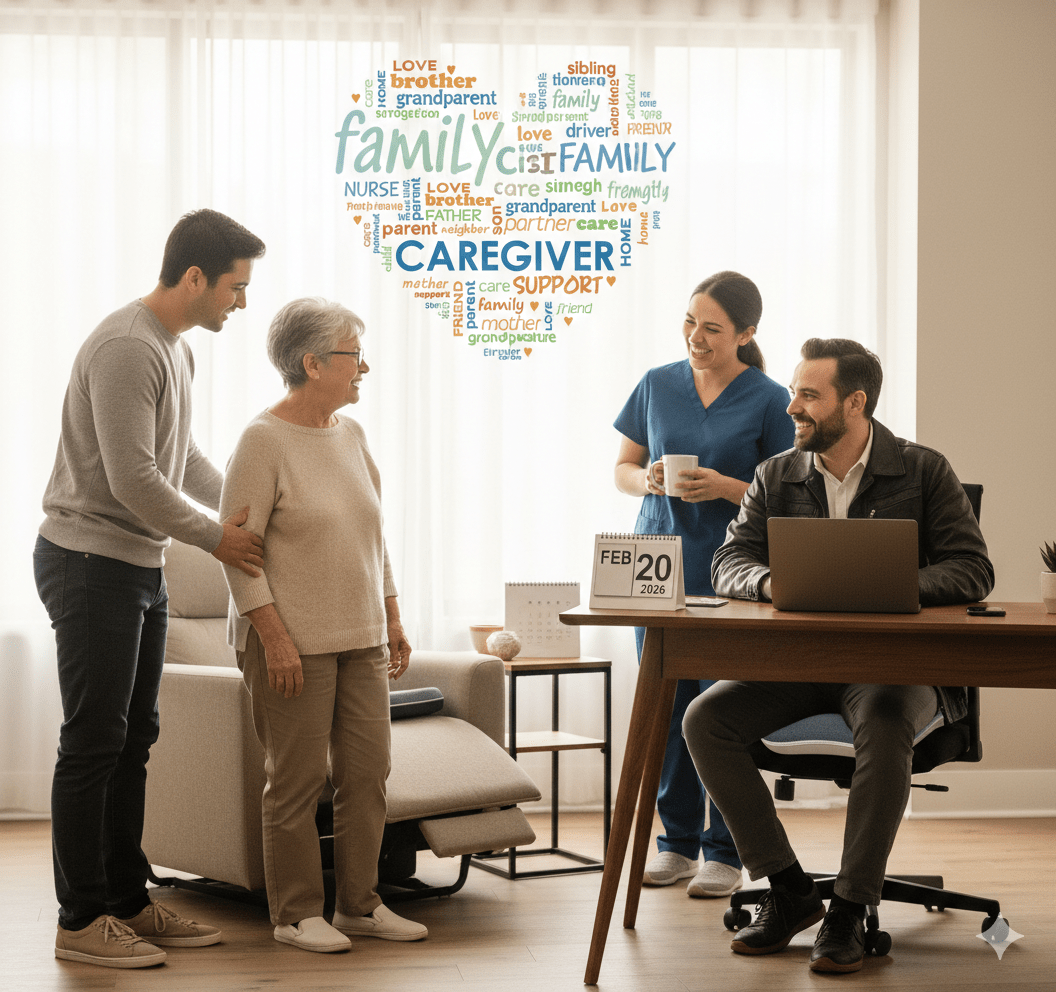
We post quotes. We call them “heroes.” And then we let them destroy their bodies in silence.
Today is National Caregivers Day, and instead of the usual corporate platitudes, let’s talk about something uncomfortable: Caregiving is not just "inspirational." It is brutal. Whether you are managing the complex transfers of a wheelchair user, the 24/7 hyper-vigilance required for a parent with dementia, or the invisible exhaustion of chronic illness management—you are the human infrastructure keeping our society from collapsing.
The Two-Way Struggle: The Heavy Lift of Care
For those caring for wheelchair users, "heroism" is often back-breaking labor. It’s a relentless cycle of manual repositioning to prevent pressure sores—a task that requires both physical strength and constant mental monitoring.
The Repositioning Cycle: Caregivers spend a massive amount of energy manually adjusting users to prevent skin breakdown.
The Invisible Tax: It isn't just the "big lifts." It’s the hours spent hunched over a bed, the strained wrists from pushing chairs, and the hips that lock up after a shift of standing.
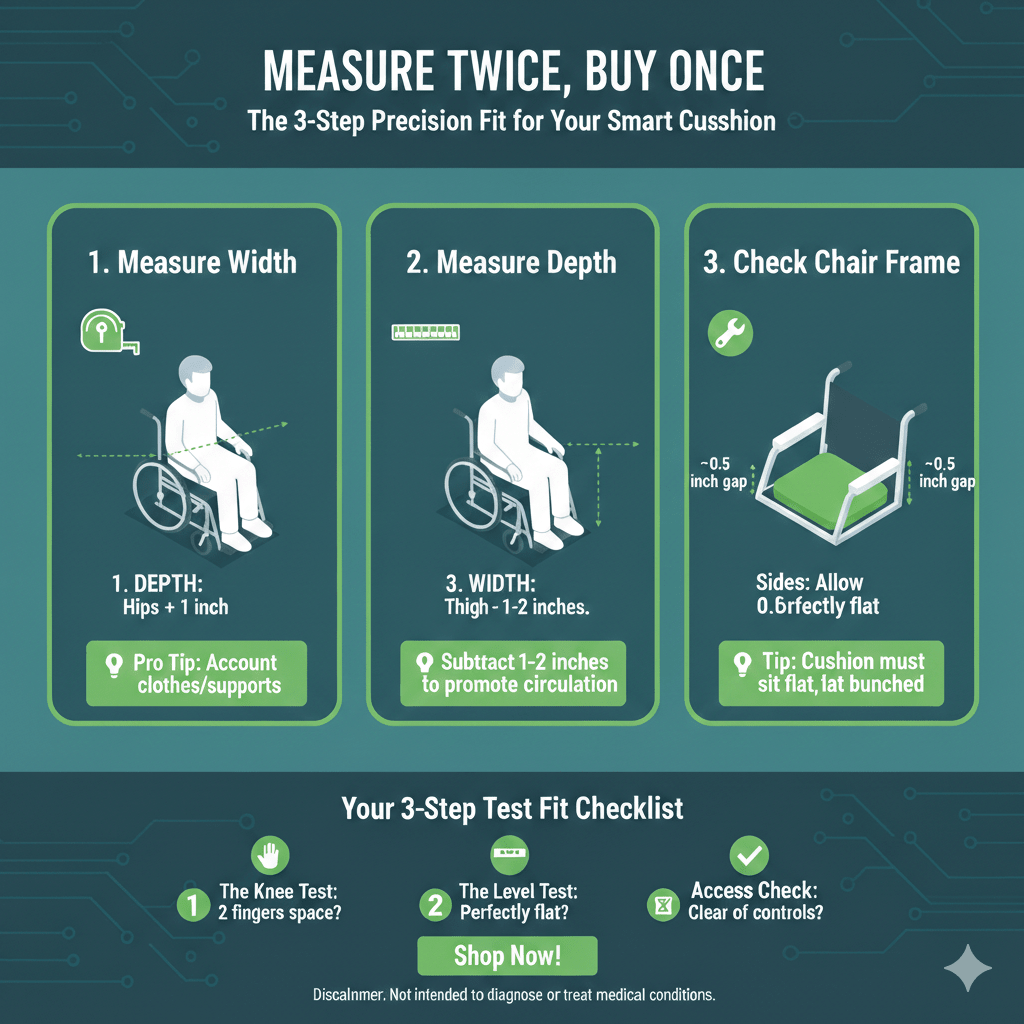
A Force Multiplier for the Team: This is why we engineered the Ease Alternating Pressure Cushion. Innovation shouldn't just be for the person in the chair; it must support the caregiver, too. By automating micro-movements to protect skin integrity, the technology acts as a partner—taking one heavy, repetitive physical task off your plate so you can focus on the person, not just the pressure points.
Systemic Burnout: It’s Not Just Your Posture
We talk about "self-care," but let’s be honest: a 10-minute stretch can’t fix a broken system. Caregivers are often left to navigate a world with zero "off" switches, insufficient workplace policies, and a society that expects them to work for free until they break.
While we build technology to protect your body, we also advocate for systemic change. We need:
- Workplace Flexibility: Policies that recognize caregiving as a second full-time job.
- Community Infrastructure: Better access to respite care and ergonomic training that protects the helper.
- Recognition of All Care: Acknowledging that the mental load of dementia care is just as taxing on the nervous system as the physical load of clinical care.
Endurance Tips: Protecting Your Own Foundation
Until the system catches up, you have to protect your own body. If you are in the thick of it today, try these "micro-wellness" habits:
- The "Doorframe Decompression": Every time you walk through a doorway, stop. Reach both arms up to the frame and lean forward slightly to stretch your chest and shoulders. Caregivers spend hours "hunched" over; this reverses that tension in 10 seconds.
- The Safe Transfer Stance: When assisting with a move, keep your "nose over toes." Avoid twisting your spine; move your feet instead. Your back isn't a crane—treat it like a foundation.
- The 90-Degree Rule: When you finally sit down to rest or handle admin, ensure your hips are slightly higher than your knees. This keeps your pelvis in a neutral position and prevents your lower back from rounding into that "brick" feeling.

We Are Building For You
To the nurse who hasn't sat down, the son lifting his father into his chair, and the spouse pretending they aren't hitting a wall: We see you.
This isn't just about a seat. It’s about ensuring that the "silent engines" of our society don't run out of fuel. You give everything to everyone else; it’s time you had equipment—and a community—that gives a little back.
Disclaimer: This content reflects individual experiences and is not intended to diagnose or treat medical conditions. Always consult with a healthcare professional regarding specific transfer techniques and medical equipment.

Leave a comment
This site is protected by hCaptcha and the hCaptcha Privacy Policy and Terms of Service apply.